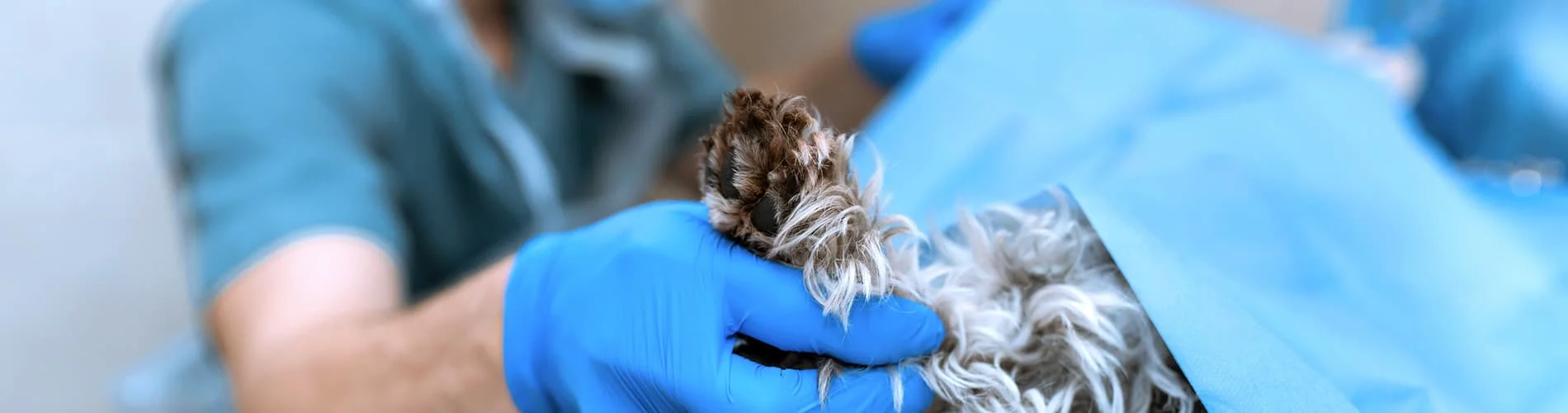
Tackle all cases with a new online approach to veterinary ophthalmology
To provide the best ophthalmic care to your patients, you must be confident in performing a comprehensive ocular examination and interpreting your clinical findings, even the ones that often go unnoticed. The Small Animal Ophthalmology Online Programme will help you uncover all the secrets behind your patients’ eyes by providing you with comprehensive knowledge authored by specialists in a practical and image-based approach.
How does it work?
This 100% online CPD programme is built around 14 modules. Each includes introductory and summary videos from the specialist author, nine interactive lessons, two case studies, further reading resources and an online forum to discuss cases with your colleagues and an ophthalmology specialist. Content covers embryology, anatomy and physiology of the eye, ocular pharmacology and therapeutics and the full spectrum of ocular diseases seen in domestic species.
At the end of the programme, you can also choose to attend three additional practical attendance modules, which will cover different diagnostic techniques and ophthalmic surgical procedures. For those completing the full Ophthalmology Programme, you can purchase these modules at an exclusive price.
Learn from the global online CPD specialist team
Our learning management platform provides exclusive interactive features so you can enjoy your learning experience and develop a problem-solving approach to each case. Earn the necessary skills to see your patients in a new light and notice things you were not able to see before. Join world-leading veterinary CPD specialists for a programme to help you rediscover your passion and clinical enthusiasm.
Hear what our delegates have to say
Don’t just take our word for it - our delegate feedback speaks for itself.

Garrick Ponte
BVSc GPCert(SAM) MRCVS
The teaching at Improve is excellent and I have been able to take what I have learnt back to use in practice. It’s not just the lectures themselves but the practical work we did straight afterwards which drives home everything, which is why Impro … Read more
Colin Dickson
BVMS CertAVP MRCVS
Having previously completed a postgraduate surgery certificate with another provider, I was confident in my knowledge and understanding of the theory but felt underprepared from a practical perspective. I was initially hesitant to register for another … Read more
Key features of this programme
14 varied modules
Covering key clinical subjects in ophthalmology delivered over 2 years
Support and guidance from a Module Tutor who is recognised in their subject field
The specialist in the subject area will provide online support during each module and will be available to answer all your questions
Multiple learning processes
Presentations, written notes, interactive quizzes and exercises which test your knowledge as you work
Discussion forum
A discussion forum for conversation, debate and sharing cases with your peers and Module Tutors
Four sessions per month
Each module consists of four sessions spread over one month. Sessions comprise separate lessons and case-based studies to work through at your own pace
100% online
Giving you access 24/7 wherever you are via our world-leading Learning Management Platform
Regular assessments
Pre-module and post-module assessments encourage you to reflect on your learning and evaluate your progress
Dedicated Programme Tutor
A dedicated Programme Tutor who will support you every step of the way
Know-how
Join the global veterinary online learning CPD specialists and benefit from our know-how and high-quality resources
14 varied modules
Covering key clinical subjects in ophthalmology delivered over 2 years
Support and guidance from a Module Tutor who is recognised in their subject field
The specialist in the subject area will provide online support during each module and will be available to answer all your questions
Multiple learning processes
Presentations, written notes, interactive quizzes and exercises which test your knowledge as you work
Discussion forum
A discussion forum for conversation, debate and sharing cases with your peers and Module Tutors
Four sessions per month
Each module consists of four sessions spread over one month. Sessions comprise separate lessons and case-based studies to work through at your own pace
100% online
Giving you access 24/7 wherever you are via our world-leading Learning Management Platform
Regular assessments
Pre-module and post-module assessments encourage you to reflect on your learning and evaluate your progress
Dedicated Programme Tutor
A dedicated Programme Tutor who will support you every step of the way
Know-how
Join the global veterinary online learning CPD specialists and benefit from our know-how and high-quality resources
Programme details
Module Summary
01 - Examination of the eye
Key learning objectives:
-
Perform a confident ocular examination by using diagnostic ophthalmic instruments including focal illumination, the direct ophthalmoscope, indirect ophthalmoscope and slit lamp biomicroscope
-
Understand the different types of tonometry, including when and how to perform this technique.
-
Appreciate when and how to perform the more advanced techniques of gonioscopy and electroretinography
-
Revise diagnostic cytology, microbiology and biopsy sampling and appreciate the applications of the different methods of investigation
-
Review imaging techniques including ultrasound, radiography, CT and MRI
-
Describe a systematic approach to the investigation of ophthalmology cases including accurate record keeping and photography
02 - Anatomy and physiology, basic embryology
Key learning objectives:
-
Understand basic ophthalmic embryology and post natal ocular development
-
Describe comprehensively the anatomy of the eye
-
Extend your understanding of ocular physiology including the tear film, aqueous production, lens metabolism and retinal physiology
-
Understand basic ocular immunology
03 - Ocular therapeutics and pharmacology
Key learning objectives:
-
Describe the principles of medicating the eye
-
Understand topical and systemic drug administration
-
Explain vehicles and preparations for ophthalmic drug administration
-
Appreciate classes of drugs
-
Choose the correct drug for common ophthalmic conditions
04 - The orbit and globe, eyelids and nictitans membranes
Key learning objectives:
-
Describe the anatomy and clinical conditions involving the orbit, globe, eyelids and nictitans membranes (third eyelids)
-
Review the presenting signs of and differential diagnoses for congenital and acquired orbital disease
-
Understand the effect of facial conformation on globe and eyelid position and its associated effects
-
Appreciate breed predispositions and species differences
-
Become familiar with the aetiopathogenesis of proptosis and its treatment options
-
Recognise the different types of entropion and ectropion and their impact on ocular health
-
Understand the aetiopathogenesis of nictitans membrane disorders
05 - The conjunctiva and naso-lacrimal system
Key learning objectives:
-
Describe the anatomy of the conjunctiva and understand the aetiopathogenesis of conjunctival disease and its treatment
-
Perfect your knowledge of the nasolacrimal system and abnormalities that can affect it
-
Understand secretory and excretory components, normal lacrimation and the components of the pre-corneal tear film.
-
Appreciate kerato-conjunctivitis sicca
-
Discuss the problems associated with nasolacrimal drainage
06 - The cornea, sclera and episclera
Key learning objectives:
-
Describe normal corneal anatomy
-
Review normal corneal healing and factors which can affect it
-
Understand how the cornea responds to insults
-
Discuss the different causes of corneal ulceration and its treatment
-
Explain non ulcerative corneal disease
-
Appreciate the anatomy of the episclera and sclera and understand the pathology which can affect these
07 - The uveal tract and lens
Key learning objectives:
-
Recognise congenital and acquired defects involving the uveal tract and describe the presenting signs of anterior uveitis, posterior uveitis, panuveitis and the approach to diagnosis and treatment
-
Approach non neurological abnormalities of the pupil
-
Understand aqueous opacification
-
Describe the anatomy and physiology of the normal lens
-
Explain lenticular disease and the range of congenital and acquired disease that can affect the lens and understand cataractogenesis.
-
Be familiar with the approach to cataract surgery together with patient selection, aftercare and potential complications
-
Appreciate primary and secondary lens luxation
08 - Glaucoma and neuro-ophthalmology
Key learning objectives:
-
Describe the production and drainage of aqueous humour and the pathophysiology of the normotensive globe
-
Define glaucoma and understand the different types of primary and secondary glaucoma and species differences
-
Appreciate treatment options for glaucoma
-
Devise a logical approach to the investigation of neuro-ophthalmic problems and understand the relevant neurological pathways and the autonomic nerve supply
-
Recognise normal and abnormal nystagmus
-
Investigate and offer treatment options for blindness of central origin
-
Understand disorders of ocular motility
09 - The retina, vitreous and optic nerve
Key learning objectives:
-
Understand the normal anatomy of the retina, species differences in retinal vascular patterns and the pathological changes which can occur and their manifestation
-
Describe the process of chorioretinitis
-
Recognise both inherited and acquired retinopathies
-
Appreciate the anatomy of the vitreous, congenital and acquired conditions and different types of vitreal degeneration
-
Describe the anatomy and physiology of the normal optic nerve, explain congenital and acquired conditions of the optic nerve and understand the investigation of optic nerve disease
10 - Ocular neoplasia and ocular manifestations of systemic disease
Key learning objectives:
-
Recognise primary and secondary ocular neoplasia and explain its management
-
Discuss the ocular manifestations of systemic disease including infectious, metabolic, nutritional, toxic immune mediated or vascular aetiologies
-
Understand the work up for suspected systemic disease
-
Appreciate treatment options for systemic disease in general practice
11 - Comparative ophthalmology
Key Learning Objectives:
-
Approach the ophthalmic examination of the rabbit, bird and reptile
-
Have a basic understanding of the evolution of the eye
-
Appreciate species differences in ocular anatomy
-
Be familiar with common diseases seen in rabbits, birds and reptiles
-
Discuss the role of various species in ocular toxicology
12 - Ophthalmic surgery I
Key Learning Objectives:
-
Recognise commonly used ophthalmic instruments and understand their use
-
Use loupes and understand operating microscopes for surgical magnification
-
Select appropriate suture material and needle designs
-
Discuss pre and post- operative care of surgical patients and appropriate anaesthetic regimes
-
Understand the basic surgical principles as they pertain to ophthalmic surgery
13 - Ophthalmic surgery II
Key Learning Objectives:
-
Perform common surgical techniques for treating disease of the orbit, globe, eyelids, third eyelid, conjunctiva and cornea
-
Practise reconstructive eyelid surgery
-
Understand and perform different methods for enucleation
-
Appreciate the principles of intra ocular surgery
14 - The histology and pathology of the eye, inherited ocular diseases and a problem-solving approach to ocular disease
Key Learning Objectives:
-
Appreciate the normal and pathological appearance of histological samples including the significance of abnormalities detected
-
Understand inherited ocular disease, the principles of genetics and modes of inheritance and pedigree data analysis.
-
Appreciate different methods of reducing such disease including eye testing schemes and genetic testing
-
Explain the different conditions which affect different breeds of dog
-
Clinically recognise congenital inherited conditions encountered such as collie eye anomaly, congenital cataract, retinal dysplasia, goniodysgenesis and persistent hyperplastic primary vitreous
-
Clinically recognise non-congenital inherited conditions such as hereditary cataract, primary lens luxation, generalised progressive retinal atrophy and retinal pigment epithelial dystrophy
-
Develop a problem-solving approach to ophthalmic cases
Optional Module Summary
At the end of the Ophthalmology Online Learning Programme, you can choose to book three optional attendance practical modules. These modules (details below) will be delivered at our state-of-the-art training venue using the latest equipment and capped to a maximum of 12 delegates. For those wanting to book the full Small Animal Ophthalmology Programme, these modules will be at an exclusive price. You can also book these at a later date by contacting your Programme Tutor. Please note, we will be opening these up to our wider veterinary community so let us know as soon as possible, so we can guarantee you a place!
Entry Requirements
Initial registration for the Optional Practical Attendance Modules is open on a first come first serve basis to delegates booking onto the Ophthalmology Online Learning Programme. Any bookings made thereafter will be subject to review and acceptance. Improve International have the right to refuse a booking if it does not meet the entry requirements stated above. Please contact us for further information.
01 - Ocular examination techniques and instruments
- Perform common surgical techniques for treating disease of the orbit, globe, eyelids, and third eyelid
- Practice reconstructive eyelid surgery and the surgical techniques used to correct entropion and ectropion and resection of eyelid masses
- Practice the surgical technique to reposition prolapsed nictitans glands
- Practice repositioning of proptosed globe and drainage of retrobulbar abscess via pterygopalatine fossa
- Perform different methods for enucleation and appreciate the advantages and disadvantages of each
- Appreciate the principles of intraocular surgery
02 - Common surgical techniques for treating disease of the orbit, globe, eyelids, and third eyelid
- Recognise different type, depth and severity of corneal ulcers
- Review the approach and treatment options for Spontaneous Chronic Corneal Epithelial Defects (SCCED) and complicated ulcers
- Practice grid/punctuate keratotomies and corneal burr debridement
- Practice performing a conjunctival pedicle graft
- Perform corneal surgical procedures such as superficial keratectomy and suturing of a non penetrating corneal laceration
- Identify and localise corneal foreign bodies and learn tips for their removal
- Recognise when corneal reconstructive surgery is required, including corneoconjunctival transposition (CCT) and full thickness keratoplasty (video presentation of CCT)
- Learn how to select a patient for cataract surgery, the after care and possible complications of this surgery (video presentation of a cataract surgery)
03 - Spontaneous chronic corneal epithelial defects (SCCED) and complicated ulcers
- Practice performing a thorough and systematic ocular examination
- Recognise commonly used ophthalmic instruments and understand their use
- Use loupes and understand operating microscopes for surgical magnification
- Select appropriate suture material and needle designs
- Discuss pre and post-operative care of surgical patients and appropriate anaesthetic regimes
- Review the surgical preparation and positioning of patients for ophthalmic procedures
- Recognise the basic surgical principles as they pertain to ophthalmic surgery
Qualifications
General Practitioner Certificate (GPCert)

This course is accredited by ISVPS and allows you to achieve a General Practitioner Certificate
Our Ophthalmology Online Learning Programme offers a comprehensive range of structured learning with the ultimate flexibility to access the training you want while working around your busy practice life.
You can let the Programme give you new knowledge and skills to take back to practice or work towards a recognised qualification.
General Practitioner Certificate (GPCert)
By attending the full online structured programme and following successful assessment, including an exam, you can gain the GPCert award from the International School of Veterinary Postgraduate Studies (ISVPS).
Only registered veterinary surgeons who have been qualified for a minimum of one year can apply to undertake a General Practitioner Certificate.
Postgraduate Certificate (PgC)
A route to a PgC in will be available for this programme.
The PgC is a recognised higher education qualification demonstrating that you have achieved the required standard within a designated subject. The qualification represents Masters Level 7 within the Quality Assurance Agency’s framework for higher and further education. In order to apply for this route, additional assessments will be necessary, please contact us for further information.
For GPCert and PgC fees please see our pricing table in the ‘Pricing’ tab above.
RCVS Advanced Practitioner Status
On September 2025, the Royal College of Veterinary Surgeons (RCVS) announced an updated process for reviewing and accrediting postgraduate certificates that lead to eligibility for Advanced Practitioner (AP) Status.
This is an important development for the profession, ensuring that the AP designation remains a robust and meaningful recognition of advanced veterinary knowledge and skills providing greater confidence for veterinary professionals, clients, and the wider public.
Improve Veterinary Education and ISVPS fully support this enhanced level of scrutiny and has updated its GP Certificate (GPCert) programmes and assessments to meet the new RCVS criteria. These programmes have been submitted for review, and accreditation is currently pending as the RCVS AP Subcommittee works through applications.
Partners
Sponsored by






Pricing
£9,299.00
£1,999.00
£2,499.00
Payment & VAT Information
1. Many of our courses come with deferred payment and instalment options. Click “Book Now” to see what’s available for this course.
2. All prices will be displayed exclusive of local sales tax.
3. For corporate-paid registrations, the associated corporate discount will apply to the regular course price and cannot be combined with Early Price or other promotions.
Payment Terms & Conditions
Registration Information
100% Satisfaction
We're completely confident in the quality of our training and CPD. So much so that if you're not 100% satisfied with your certificate course, we'll give you a 100% refund. Just get in touch with us within 30 days of your start date and we'll sort the rest. T's and C's apply.
Find out more
FAQs
Practical Sessions
Where are practical CPD courses or face-to-face modules held?
What will the timings be for face-to-face certificate modules and practical CPD sessions? How will my day be structured?
Where do the cadavers come from for the practical CPD and surgical modules/courses?
What should I wear to a practical CPD course/module?
I will be travelling from overseas, do I need a Visa?
Will the dogs used for practical CPD courses be sedated?
Will the dogs used for scanning have any abnormalities?
Are the dogs used for ultrasound CPD clipped?
Are cats used for any of the ultrasound courses?
Postgraduate Certificates (PgCs)
What’s changing with Royal College of Veterinary Surgeons (RCVS) Advanced Practitioner status?
What is a Postgraduate Certificate (PgC)?
Am I eligible for the PgC programme?
How do I enrol on the PgC programme?
I have previously achieved a GPCert. Can I still upgrade to a PgC?
Is the PgC equivalent to the RCVS CertAVP, BSAVA PGCert, and other university-awarded veterinary postgraduate certificates?
How are Improve’s PgCs different from other providers?
How will I be assessed for the PgC?
What’s not included in the PgC fee? Do I need to budget for further costs?
Payments & Finance
What payment methods do you accept?
Do you offer any flexible payment plans?
What payment methods can I use for setting up a direct debit?
Do you issue separate invoices for each instalment?
Why was my Direct Debit payment not charged on the day that is established in my payment plan?
Why couldn’t I make payment during check-out?
Where can I find the bank details for the bank/wire transfer?
What happens if my circumstances change and I need to cancel my order?
When is payment for my veterinary CPD course due?
How much do the veterinary CPD courses and certificate programmes cost?
My CPD course includes assessments with ISVPS, how do I make payment for these?
Can I pay by Direct Debit?
Online Learning & Platform
Is there a discussion forum or way to interact with other delegates?
What happens if I lose internet connection or need to pause my session?
How do I track my progress in each online module?
Can I access course materials on mobile devices or offline?
What are the technical requirements to access online courses?
If coming from a non-European country – how would face-to-face module attendance work for the PgC?
How do I register for the GPCert and/or the PgC?
Is the PgC programme recognised by other countries?
General Practitioner Certificates (GPCerts)
What is the criteria for enrolling in a General Practitioner Certificate programme?
What is the difference between a GPCert and a PgC?
Can I use this veterinary certificate programme towards my veterinary CPD hours?
How long does a General Practitioner Certificate (GPCert) take to achieve?
I want to register for a veterinary certificate course but I may be away for some of the modules. Does this mean I will miss out?
How long do I have to finish the modules for my GPCert?
What resources will be available to support me through the certificate programme?
How long do I have access to the course material for?
How will I be assessed for the GPCert?
What happens if I am not eligible to sit the assessments and/or exam with my cohort?
What does the General Practitioner Certificate programme fee include?
What’s not included in the certificate programme fee? Do I need to budget for further costs?
Will my veterinary postgraduate qualification be recognised in other countries?
Can I take a postgraduate certificate if coming from a non-European country? How do face-to-face modules work?
What resources will be available to support me through the PgC?
Where are the taught programmes held?
Are Improve’s Postgraduate Certificates academically equivalent to the RCVS CertAVP and other postgraduate certificates?
Over what time period can I take the taught modules?
No ordinary online learning experience
Learn with the leading global provider of online veterinary CPD!
Find out more